

Busy areas are locations that experience a high volume of people on a daily or seasonal basis. These include city centers, public transportation hubs, markets, tourist attractions, and event venues. Such areas are often crowded due to their importance, accessibility, or popularity. While busy areas are essential for commerce, social interactions, and tourism, navigating them without preparation can be overwhelming. Understanding how to manage your time, stay safe, and maintain personal comfort is crucial for both locals and visitors alike.
One of the main challenges in busy areas is congestion. Large crowds can lead to stress, fatigue, and even accidents if individuals are not cautious. Pickpocketing, lost belongings, and accidental injuries are common risks in overcrowded spots. Additionally, navigating through congested streets or public transport hubs can be time-consuming and frustrating without proper planning. These factors emphasize the need for practical strategies to move efficiently and safely while enjoying the benefits these bustling locations offer.
This guide aims to provide readers with comprehensive tips and actionable advice to navigate busy areas effectively. From safety measures and efficient navigation techniques to technology tools and emergency preparedness, each section is designed to equip readers with the knowledge needed to handle crowded environments. By following these strategies, individuals can reduce stress, save time, and ensure a safer experience. Whether you are a daily commuter, a tourist, or a professional visiting crowded urban centers, these tips will help you make the most of your time in busy areas without compromising personal safety or comfort.
Understanding Busy Areas
Busy areas are locations that attract a large number of people due to their significance, accessibility, or popularity. Examples include city centers, shopping districts, transport hubs, tourist attractions, and event venues. These areas often see fluctuating crowd levels depending on the time of day, day of the week, or seasonal events. Understanding the characteristics of busy areas is essential for planning visits, ensuring safety, and optimizing time spent in these locations.
Crowds in busy areas can pose several challenges. High foot traffic often leads to congestion, making movement slow and stressful. Additionally, busy areas may increase the risk of accidents, lost belongings, or pickpocketing. Noise levels, limited personal space, and unpredictable human behavior add to the complexity of navigating such environments. Being aware of these challenges helps individuals prepare mentally and physically, ensuring a smoother and safer experience.
Preparation is key to navigating busy areas effectively. This includes studying the location in advance, understanding peak hours, and identifying less crowded routes. Knowledge about the area’s layout, entry and exit points, and nearby facilities can make a significant difference in managing time and avoiding unnecessary stress. Whether you are a local commuting daily or a tourist exploring a new city, having a clear understanding of busy areas allows you to plan efficiently, stay safe, and make the most of your visit without feeling overwhelmed.
Defining a Busy Area
A busy area is any location that experiences a high volume of people consistently or during peak times. These places can range from city centers and shopping districts to transport hubs and event venues. What makes an area busy is not just the number of people, but also the activity and movement within it. Understanding what qualifies as a busy area helps in anticipating challenges and planning visits effectively.
Recognizing busy areas is important for both locals and visitors. It allows individuals to prepare for potential crowd-related issues such as congestion, slow movement, and heightened risk of accidents or theft. By identifying these locations in advance, you can adopt strategies to navigate safely and efficiently.
Common Types of Busy Areas
Busy areas come in various forms depending on their purpose and location. Markets, public transport stations, tourist attractions, city centers, and large event venues are typical examples. Each type presents unique challenges in terms of crowd management, navigation, and safety.
Knowing the type of busy area you are entering allows you to anticipate what to expect. For example, transport hubs may require quick movement and awareness of pickpockets, while tourist spots might involve slower walking and more interaction with other visitors.
Reasons for Crowds
Several factors contribute to crowd density in busy areas. Popularity, accessibility, timing, special events, and peak hours all influence how crowded a place becomes. Seasonal variations and festivals can further increase foot traffic in certain locations.
Understanding the reasons behind crowds helps in planning your visit. By avoiding peak times or selecting alternative routes, you can navigate crowded spaces more comfortably and safely, minimizing stress and delays.
Challenges of Crowded Environments
Crowded areas often come with challenges like congestion, limited personal space, noise, and potential safety risks. Pickpocketing, lost belongings, and accidental injuries are common concerns in densely populated spots.
These challenges highlight the importance of vigilance and preparation. Being aware of your surroundings, maintaining personal security, and staying calm can significantly improve your experience in busy areas.
Importance of Preparation
Preparation is key to successfully navigating any busy area. Planning routes, understanding peak hours, and knowing entry and exit points can make a huge difference in efficiency and safety.
Prepared individuals can manage their time better, avoid unnecessary stress, and respond quickly to unexpected situations. Proper preparation ensures a smoother and safer experience in crowded environments.
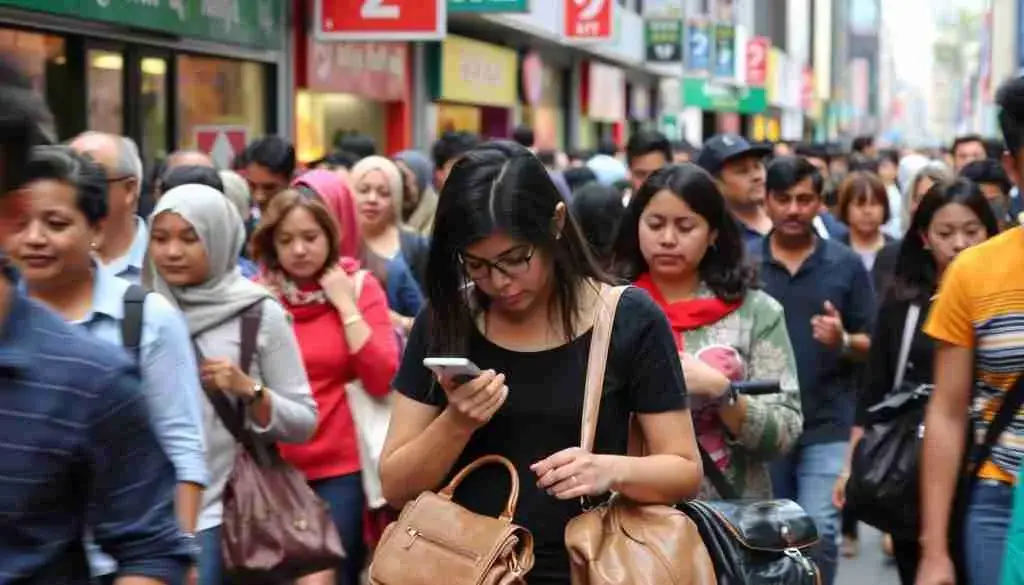
Safety Tips in Crowded Places
Staying safe in crowded places requires awareness, planning, and vigilance. One of the most important measures is securing personal belongings. Use bags that close securely, keep valuables close to your body, and avoid displaying expensive items openly. Pickpockets often target crowded areas such as markets, transport hubs, and tourist attractions, so maintaining constant awareness of your surroundings is crucial. Additionally, keep copies of important documents and emergency contacts stored safely in case of loss or theft.
Apart from securing belongings, personal behavior plays a vital role in safety. Always stay alert and avoid distractions like excessive phone use or wearing headphones in busy environments. Traveling with companions can further increase safety, especially in unfamiliar locations. For children, the elderly, or vulnerable individuals, it is important to establish a plan, designate meeting points, and maintain physical proximity to prevent getting separated in crowds. Being aware of exits, emergency points, and local rules ensures that you can respond quickly if any situation arises.
Lastly, adopting preventive strategies can make navigating crowded areas stress-free and safe. Avoid visiting during peak hours if possible, plan your route, and use technology tools like GPS or crowd-monitoring apps. Wear comfortable clothing and shoes to prevent fatigue or accidents. Being calm, patient, and courteous to others not only reduces personal stress but also helps maintain a safe environment for everyone. By combining situational awareness, proper planning, and responsible behavior, individuals can enjoy crowded spaces without compromising safety or comfort.
Protecting Personal Belongings
Keeping your belongings secure is the first step to staying safe in crowded areas. Use bags with zippers, keep valuables close to your body, and avoid displaying expensive items openly.
By maintaining awareness of your surroundings, you reduce the risk of theft or pickpocketing. Small precautions like keeping wallets and phones in inner pockets can prevent loss and ensure peace of mind while navigating busy spaces.
Staying Alert and Aware
Awareness is key in busy areas. Avoid distractions such as excessive phone use, headphones, or daydreaming while moving through crowded spaces.
Being alert allows you to anticipate potential hazards, respond to sudden situations, and maintain personal safety. It also helps you navigate efficiently without getting lost or caught in bottlenecks.
Safety for Children and the Elderly
Special care is needed for children, the elderly, or vulnerable individuals in crowded areas. Keep them close, designate meeting points, and establish clear communication.
This ensures that everyone remains safe and minimizes stress for guardians or family members. Preparedness allows for quick action if anyone gets separated or encounters difficulty.
Knowledge of Exits and Emergency Points
Knowing where exits, emergency points, and first-aid stations are located can be lifesaving. Study the layout of the area before entering crowded spaces.
This knowledge allows you to act swiftly in case of emergencies, helping prevent injuries, confusion, or panic during unforeseen situations.
Preventive Strategies for Safe Navigation
Plan visits during less crowded hours, map your route, and use technology like GPS or crowd-monitoring apps. Wear comfortable shoes and clothing to prevent fatigue or accidents.
Being patient, calm, and courteous reduces personal stress and maintains a safe environment for everyone, ensuring a smoother experience in busy areas.
Efficient Navigation in Busy Areas
Efficient navigation in busy areas begins with careful planning. Before visiting a crowded location, it is important to study the layout, identify entry and exit points, and plan the route you will take. Using maps or navigation apps can help you find the shortest paths and avoid congested areas. Planning saves time, reduces stress, and allows for smoother movement, especially during peak hours or busy events.
Identifying potential bottlenecks and alternative routes is another key strategy. Crowded areas often have zones where congestion is unavoidable, such as entrances, escalators, or intersections. Knowing alternate paths and less crowded passages can make your movement more efficient and reduce the frustration of being stuck in long lines or slow-moving crowds. Additionally, traveling in groups or pairs can improve coordination and make it easier to navigate together.
Time management is also essential for navigating busy areas efficiently. Allocating sufficient time for travel, breaks, and unexpected delays ensures a less stressful experience. Prioritizing key locations or tasks helps in completing objectives without feeling rushed. By combining careful route planning, awareness of bottlenecks, and effective time management, individuals can move through crowded spaces safely, efficiently, and comfortably, making their visit productive and enjoyable.
Planning Your Route
Planning your route is essential for navigating busy areas efficiently. Study maps, identify entry and exit points, and decide the paths you will take to avoid congestion.
Prepared individuals can move smoothly, reduce wasted time, and minimize stress. Planning ensures you reach your destination safely and efficiently, even in crowded environments.
Avoiding Crowded Spots
Identifying bottlenecks and congested zones helps you avoid delays. Escalators, intersections, and entrances often create slow-moving areas.
By knowing alternative paths or less crowded routes, you can save time and move comfortably, improving your overall experience in busy areas.
Using Technology for Navigation
Navigation apps, GPS, and crowd-monitoring tools provide real-time data on congestion and help plan efficient routes.
These tools allow travelers to make informed decisions, avoid peak traffic areas, and ensure timely arrivals in crowded locations.
Traveling in Groups or Pairs
Navigating busy areas with companions increases safety and coordination. It is easier to follow the planned route and look out for each other.
Groups can communicate effectively, manage belongings collectively, and ensure that no one gets lost, especially in unfamiliar crowded locations.
Time Management Strategies
Allocating sufficient time for travel, breaks, and unforeseen delays is crucial. Prioritizing key locations ensures tasks are completed efficiently.
Effective time management reduces stress, prevents rushing, and allows you to navigate busy areas calmly and productively.
Technology and Tools for Crowded Areas
Navigating busy areas has become much easier with the help of modern technology and digital tools. GPS and navigation apps such as Google Maps, Waze, and local transit apps allow individuals to plan the most efficient routes, avoiding congested streets or transport hubs. Real-time traffic updates help users make informed decisions on when and where to travel, reducing travel time and stress. These tools are particularly useful for tourists or individuals unfamiliar with the area, as they provide guidance and prevent getting lost in crowded locations.
Crowd-monitoring apps have also emerged as valuable resources for managing personal safety and convenience. Many apps provide information on busy hours, expected foot traffic, and alternative routes, helping individuals avoid overcrowded areas. Additionally, digital payment methods and contactless transactions can save time by reducing the need to wait in long lines. These tools ensure smoother and more efficient experiences, especially in markets, transport stations, and tourist attractions.
Wearable devices and smart gadgets further enhance safety and convenience. Smartwatches can provide navigation prompts, alerts, or emergency contacts, while devices like portable chargers or personal alarms improve preparedness. By leveraging these technologies, individuals can efficiently navigate crowded areas, minimize risks, and maintain personal comfort. Incorporating digital tools into your daily routine or travel plans ensures that busy areas are less stressful and more manageable, allowing you to focus on productivity, enjoyment, and safety.
Apps for Navigation
Navigation apps like Google Maps, Waze, and local transit applications are essential tools for moving efficiently in busy areas. They provide real-time traffic updates, alternative routes, and estimated travel times.
Using these apps helps avoid congestion, save time, and reduce stress. Especially in unfamiliar locations, navigation apps guide users safely through crowded streets and transport hubs.
Digital Payment & Contactless Tools
Digital wallets, mobile payments, and contactless cards reduce the need to wait in long queues. They allow faster transactions in markets, cafes, and transport stations, saving both time and energy.
By minimizing physical interactions and cash handling, these tools enhance convenience, improve safety, and streamline navigation in busy areas.
Smart Gadgets for Convenience
Wearable devices such as smartwatches or personal alarms enhance safety and awareness. Smart gadgets can provide navigation prompts, emergency alerts, and help locate companions in crowded spaces.
These tools ensure preparedness and efficiency, making busy areas more manageable. They allow users to stay connected, alert, and comfortable while navigating high-traffic environments.
Health & Comfort Tips
Navigating busy areas can be physically and mentally demanding, making health and comfort a top priority. Staying hydrated is essential, especially in crowded places where temperatures can rise and movement is continuous. Carrying a reusable water bottle ensures that you can maintain hydration throughout your visit. Additionally, carrying light snacks like energy bars or fruits helps maintain energy levels, preventing fatigue and irritability during long periods of walking or standing.
Comfortable clothing and footwear play a crucial role in managing crowded environments. Shoes with good support reduce the risk of blisters or foot pain, while breathable clothing keeps you cool in dense crowds. Choosing practical attire that allows free movement can significantly improve overall experience, enabling you to focus on navigation and safety rather than physical discomfort. Accessories such as hats, sunglasses, or small backpacks can also enhance comfort and convenience.
Stress management is equally important in busy areas. Crowds, noise, and congestion can lead to anxiety or irritability if not handled properly. Techniques like deep breathing, pacing yourself, and taking short breaks in quieter spots help maintain calm and focus. Planning visits during off-peak hours or allowing extra time for delays can further reduce stress. By combining proper hydration, comfortable attire, and stress management strategies, individuals can navigate busy areas efficiently while preserving their physical well-being and mental calmness.
Staying Hydrated and Energized
Maintaining hydration is essential in crowded areas, as walking or standing for long periods can lead to fatigue. Carry a reusable water bottle and sip regularly to stay refreshed.
Carrying light snacks, like fruits or energy bars, helps maintain energy levels. This prevents irritability, keeps focus sharp, and ensures you can navigate efficiently in busy areas.
Comfortable Clothing and Footwear
Wearing breathable clothing and supportive shoes reduces discomfort during long walks or standing in crowded spots. Loose, flexible attire allows easy movement through dense areas.
Proper attire minimizes physical strain, blisters, and overheating, helping you remain active, comfortable, and focused on safety while exploring busy locations.
Managing Stress in Crowds
Crowded environments can cause anxiety or irritability. Techniques like deep breathing, pacing yourself, and taking short breaks in quieter spots help maintain calm.
Planning visits during off-peak hours also reduces stress, allowing for a more pleasant experience and better decision-making in busy areas.
Carrying Essential Accessories
Items like hats, sunglasses, small backpacks, or hand sanitizers improve comfort and convenience. They protect against weather conditions and provide easy access to necessary items.
These accessories enhance mobility and readiness, ensuring you remain comfortable while navigating busy streets, markets, or transport hubs.
Prioritizing Personal Health
Listen to your body and take breaks when needed. Avoid overexertion and pay attention to signs of fatigue, dehydration, or stress.
Maintaining overall health ensures a safer and more enjoyable experience, allowing you to navigate busy areas efficiently without compromising well-being.
Behavioral Etiquette in Busy Areas
Maintaining proper etiquette in crowded areas is essential for ensuring a safe and pleasant experience for yourself and others. Respecting personal space is a key aspect of behavioral etiquette. Avoid pushing, cutting in line, or standing too close to strangers. Being mindful of others’ movements and maintaining courteous behavior helps prevent conflicts and accidents, especially in densely populated spots like markets, public transport stations, or tourist attractions. Proper etiquette also reflects on your personal image, showing that you are considerate and responsible in social settings.
Cultural awareness and patience are equally important in busy areas. Crowded spaces often bring together people from diverse backgrounds, each with different social norms and expectations. Understanding local customs, avoiding loud or disruptive behavior, and practicing patience can prevent misunderstandings and enhance the overall experience. Additionally, clear communication and cooperative behavior, such as giving way in narrow pathways or helping those who need assistance, contribute to a smoother flow of movement. By combining respect, patience, and cultural awareness, individuals can navigate busy areas efficiently while fostering a positive environment for everyone.
Respecting Personal Space
Maintaining personal space is crucial in crowded areas. Avoid standing too close to strangers or cutting in line. Respecting boundaries ensures comfort and safety for everyone around you.
Being mindful of others’ movements reduces accidental collisions and promotes a peaceful environment. This simple habit prevents conflicts and makes crowded areas more navigable.
Practicing Patience
Crowded areas often involve delays and slow movement. Practicing patience helps reduce stress and ensures smoother interactions with others.
Rushing or showing frustration can escalate tensions. Staying calm allows you to navigate efficiently while maintaining a positive atmosphere in busy environments.
Understanding Local Norms
Different crowded areas may have unique cultural or social expectations. Being aware of these norms helps avoid misunderstandings.
Respecting local customs, gestures, and communication styles creates a cooperative environment, making your experience smoother and socially responsible.
Communicating Clearly
Clear communication is important when moving through busy areas with companions or assisting others. Simple instructions or signals help prevent confusion and accidents.
Effective communication enhances coordination, ensures safety, and helps maintain an organized flow of movement in congested locations.
Helping Others in Crowds
Offering assistance to children, the elderly, or anyone in need promotes safety and kindness. Small gestures like holding doors or guiding someone through crowded paths make a big difference.
Helping others not only ensures their safety but also fosters a respectful and cooperative environment, making crowded areas more manageable for everyone.
Emergency Preparedness
Being prepared for emergencies in busy areas is crucial for ensuring personal safety and the safety of those around you. Crowded locations, such as public transport stations, markets, or event venues, can pose unexpected risks, including medical emergencies, fire outbreaks, or accidents. Knowing the location of exits, first-aid stations, and emergency contact points allows individuals to respond quickly and efficiently in critical situations. Preparation reduces panic and improves decision-making, which can prevent injuries and save lives.
Carrying essential items like identification, emergency contacts, and a small first-aid kit is highly recommended. For those traveling with children, the elderly, or vulnerable individuals, establishing a clear meeting point and a communication plan is essential. In case of separation, these strategies ensure that everyone can reunite quickly. Being aware of the area’s safety protocols and evacuation procedures also equips individuals to handle unexpected scenarios calmly and effectively.
Additionally, technology can play a significant role in emergency preparedness. Smartphone apps can alert users to crowded zones, emergencies, or local hazards in real time. Wearable devices and smart gadgets, such as personal alarms or GPS trackers, can enhance safety by providing instant alerts and location information. Combining practical knowledge, essential tools, and situational awareness ensures that navigating busy areas remains safe and manageable, even in unforeseen circumstances.
Knowing Emergency Exits
Knowing the location of emergency exits is crucial in any crowded area. Busy spaces like markets, transport stations, or event venues often have multiple entry and exit points, but in a crisis, identifying the nearest exit quickly can make all the difference. Familiarizing yourself with these exits before entering the area ensures you can act efficiently in case of fire, accidents, or other emergencies.
Being aware of exits also helps in planning safer routes during normal navigation. Observing emergency signs and maps and noting multiple escape options allows for faster evacuation if needed. This preparation reduces panic and increases the chances of safely leaving a crowded environment during unforeseen incidents.
Emergency Contacts and First Aid
Carrying essential emergency contacts, such as local authorities, friends, or family, is vital for crowded areas. Having a small first-aid kit with basic supplies ensures a quick response to minor injuries or health issues. For children, the elderly, or vulnerable individuals, sharing contact information and establishing a meeting point adds an extra layer of safety.
Preparedness with contacts and first-aid supplies allows individuals to manage unexpected situations effectively. It not only helps address immediate needs but also provides peace of mind, ensuring everyone can navigate crowded areas with confidence and security.
Staying Calm During Incidents
Remaining calm during emergencies is critical. Panic can lead to poor decision-making, accidents, or even stampedes in crowded spaces. Taking a deep breath, assessing the situation, and following the planned exit route can save time and prevent injuries.
Calmness also helps in guiding others, especially children or elderly individuals, to safety. By maintaining composure, individuals can respond effectively, minimize chaos, and ensure a smoother evacuation or resolution during emergencies.
Common Mistakes to Avoid in Busy Areas
One of the most frequent mistakes people make in busy areas is visiting during peak hours without prior planning. Crowds during rush hours, special events, or weekends can make movement slow and stressful. Lack of preparation often leads to delays, frustration, and even missed appointments. It’s important to research peak times and plan visits during less crowded hours to ensure a smoother experience.
Another common error is carrying too many valuables or displaying expensive items openly. This can attract pickpockets or opportunistic thieves. Failing to secure personal belongings, such as wallets, phones, or jewelry, increases the risk of loss and can disrupt your day. Simple precautions, like keeping valuables in inner pockets and using secure bags, significantly reduce potential threats.
Finally, neglecting personal comfort and health can make navigating crowded areas even more challenging. Ignoring hydration, not wearing appropriate footwear, or underestimating physical fatigue can result in stress, discomfort, and reduced efficiency. Proper preparation, situational awareness, and attention to personal needs are essential to avoid these mistakes and ensure safe, efficient, and enjoyable movement through busy environments.
Visiting During Peak Hours
Visiting busy areas during peak hours is one of the most common mistakes. High foot traffic during rush hours, weekends, or special events can lead to congestion, long waits, and increased stress. Planning visits during off-peak times helps avoid delays and makes navigation smoother.
Understanding crowd patterns and timing your visits accordingly ensures a more enjoyable experience. Avoiding peak hours also reduces the risk of accidents, overcrowding, and other issues associated with high-density areas.
Carrying Too Many Valuables
Carrying excessive valuables or displaying expensive items openly can attract pickpockets. Overloading bags or pockets increases the chances of loss or theft in crowded environments.
Keeping essential items secure and minimizing unnecessary valuables ensures safety. Using inner pockets, zippers, and discreet bags helps maintain personal security and peace of mind while navigating busy areas.
Neglecting Personal Health
Ignoring personal health needs like hydration, nutrition, and comfortable attire can lead to fatigue, stress, and reduced efficiency. Walking long distances or standing for extended periods without preparation can impact focus and energy.
Carrying water, snacks, and wearing appropriate clothing and footwear keeps you comfortable and alert. Prioritizing health ensures a safer and more productive experience in crowded spaces.
Lack of Proper Planning
Failing to plan your route, estimate travel time, or use navigation tools can lead to confusion and delays. Busy areas often have bottlenecks and congested spots that require prior awareness.
Using GPS, maps, or crowd-monitoring apps helps optimize movement, avoid unnecessary detours, and save time. Proper planning allows for smoother navigation and reduced stress.
Ignoring Etiquette and Local Norms
Disregarding social behavior, personal space, and local customs can create conflicts and discomfort. Crowded areas often bring diverse groups together, making etiquette essential for a positive experience.
Being patient, courteous, and respectful of cultural norms improves cooperation and ensures a smoother flow of movement. Observing proper etiquette benefits both personal safety and social harmony in busy spaces.
FAQs (Frequently Asked Questions)
What is considered a busy area?
Busy areas are locations with high foot traffic, such as city centers, markets, transport hubs, tourist attractions, and event venues. These places are crowded due to popularity, accessibility, or timing.
How can I stay safe in crowded places?
Stay alert, secure your belongings, avoid distractions, travel with companions, and know emergency exits. Planning routes and using technology like GPS or crowd-monitoring apps also improves safety.
Are there apps to monitor crowded spots?
Yes, apps like Google Maps, Waze, and local crowd-monitoring tools provide real-time updates on congestion, helping you avoid overcrowded areas and plan efficient routes.
What should I carry for convenience in busy areas?
Carry essentials like water, snacks, identification, phone, and a small first-aid kit. Wear comfortable clothing and shoes, and keep valuables secured in discreet bags or pockets.
How do I protect children in crowded places?
Keep children close, designate meeting points, and maintain clear communication. Use identification tags if necessary, and ensure they understand basic safety rules while navigating crowds.
6. What time is best to visit busy areas?
Visiting during off-peak hours, such as early mornings or late evenings, reduces crowd density. Planning around peak times ensures smoother movement, lower stress, and a safer experience.
7. How can I avoid pickpocketing in busy areas?
Keep valuables in inner pockets or zipped bags, avoid displaying expensive items, stay aware of your surroundings, and travel with companions. Awareness and vigilance reduce theft risk significantly.
Conclusion
Navigating busy areas requires a combination of preparation, awareness, and mindful behavior. Crowded locations such as markets, transport hubs, city centers, and tourist attractions present challenges, including congestion, safety risks, and physical strain. Understanding the nature of busy areas, planning routes, and using technology tools like GPS and crowd-monitoring apps can significantly improve efficiency and reduce stress. Awareness of peak hours, alternative paths, and emergency exits ensures smoother movement and enhances overall safety.
Personal safety and comfort are equally important. Securing valuables, staying hydrated, wearing comfortable clothing and shoes, and managing stress contribute to a positive experience in crowded spaces. Following proper etiquette, respecting personal space, and being patient in interactions with others helps maintain harmony and prevents conflicts. Health, preparedness, and responsible behavior together ensure that navigating high-traffic environments is both safe and enjoyable.
By avoiding common mistakes such as ignoring personal safety, failing to plan, or disregarding local norms, individuals can confidently navigate crowded areas. Emergency preparedness, including knowing exits, carrying essential contacts, and staying calm during incidents, further strengthens safety measures. Overall, a combination of planning, awareness, and proactive behavior allows individuals to enjoy busy areas efficiently, safely, and comfortably, making every visit productive and stress-free.
